


Dead Signal
Software: Dying Light
Development time: 80+ hours
Platform: Steam Workshop
Average Playtime: 20-30 minutes
Level Summary
Dead Signal is a custom single-player mission, focused on parkour traversal, diverse combat encounters, and narrative-driven exploration.
The player follows a distress signal through an infected urban area, using rooftops, vertical paths, and environmental routes to reach a trapped squad and restore communication through a mountain signal tower.
After the signal is activated, the level shifts into a darker sewer section with close-quarters infected encounters and vertical platforming, before leading the player to a fortified coastal village where the conflict over supplies is revealed.
The level blends tense interior spaces with open exterior environments focused on parkour and traversal, creating a compact journey with clear gameplay escalation and narrative payoff.
Level parameters include:
-
20–25 minutes of gameplay
-
Multiple exterior spaces, including an urban area, mountain path, and coastal village
-
Interior spaces, including an abandoned building and sewer system
-
1 main quest
Gameplay
Quest Progression

The quest is structured as a linear objective chain, using spatial transitions and objective shifts to guide the player from the urban area to the
-
Signal tower
-
Underground sewer
-
Coastal village.
The first half of the mission focuses on rescue and communication recovery. Players clear infected encounters, rescue the trapped squad, and climb the signal tower to restore communication.

Urban Area
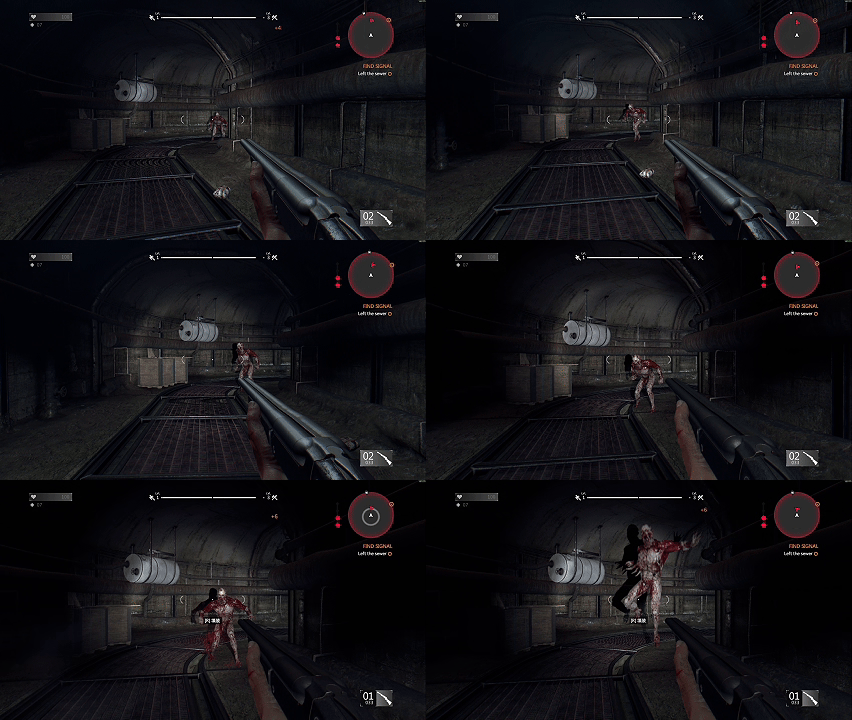
The mid-section introduces a new radio signal that redirects the player into the sewer, creating a pacing shift from open exterior traversal to a more confined interior experience.

Mountain Area
Signal Tower

Sewer
The final section brings the player to the coastal village, where encounter intensity increases and the mission shifts toward its final decision point.
Through objective updates, spatial transitions, and changing combat beats, the quest gradually escalates from exploration and rescue into a final choice.

Costal Village
Design Progress

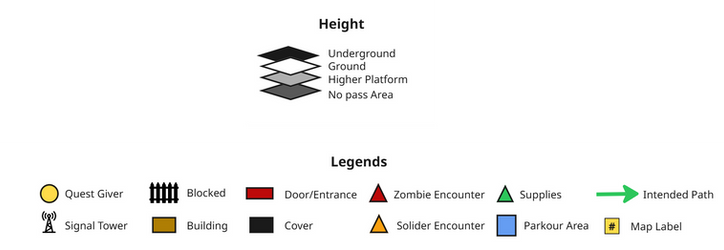

POI Design
Abandon Building
As the beginning section of the level, the abandoned building is designed as a tutorial space that introduces the player to the core mission, basic combat, and survival resources.
This area gives the player a controlled interior environment where they can become familiar with fighting infected, collecting essential supplies, and understanding the initial objective before moving into the larger exterior space.


Theme: Chaotic, decayed, dark
Power station
A vertical encounter space designed to encourage players to use height, cover, and environmental objects during combat.
Players can move between different elevations, use obstacles to control enemy movement, and take advantage of the layout to avoid being surrounded by infected. This area introduces a larger combat space while still supporting traversal-focused gameplay.
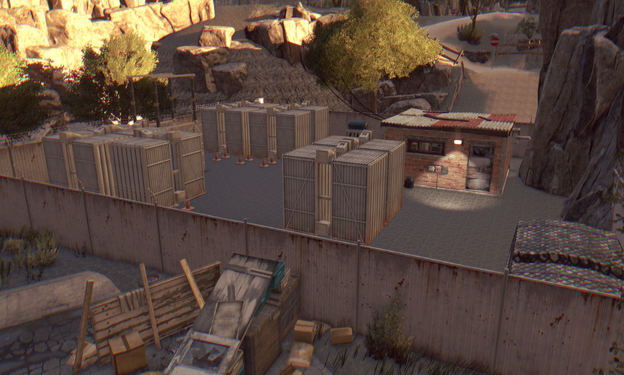
Signal Tower
The signal tower serves as a major landmark during the first half of the level, guiding the player’s navigation across the exterior space.
It also functions as a narrative turning point. After the player climbs and activates the tower, the mission shifts from rescuing the trapped squad to following a new signal from the underground organization.


Fishing Coastal Village
An open space that supports both vertical and horizontal traversal. The final encounter takes place here, shifting the gameplay into ranged combat against armed survivors.


Theme: Hope, survival, fragile peace
Design Goals
Parkour System
-
Vertical Space Design
-
Route Guidance
-
Shortcut Paths

Combat System
-
Open-Area Combat
-
Close-Quarters Combat
-
Enemy Variety
Narrative System
-
Environmental Storytelling
-
NPC Dialogue
-
Faction Conflict
-
Moral Shift

Parkour System
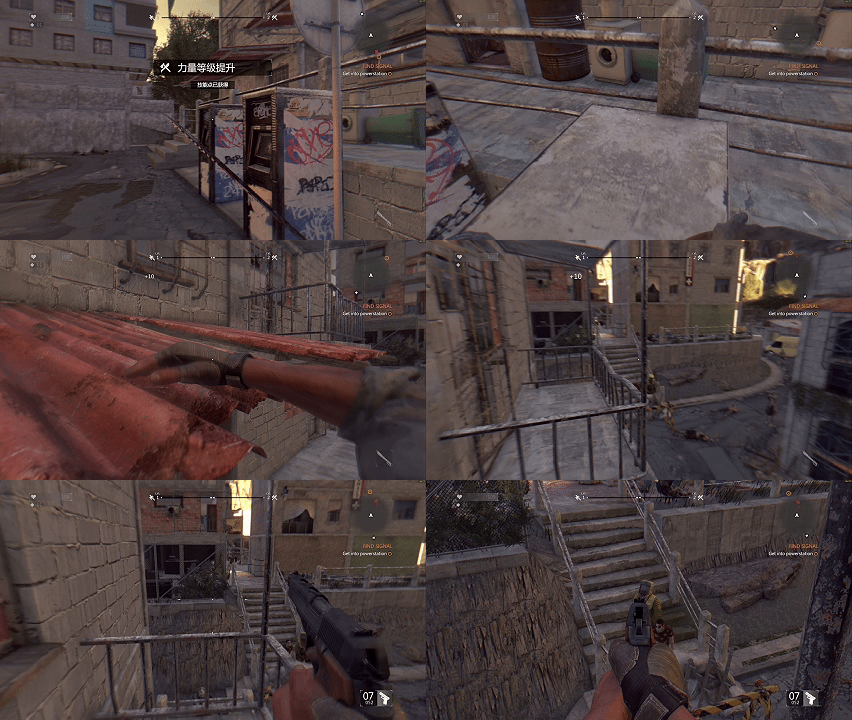
Vertical Space Design
Multi-layered architecture connects rooftops, stairs, and ground-level routes, encouraging the player to navigate through vertical spaces.
Route Guidance
High-visibility landmarks, broken fences, hanging wires, and environmental clues guide the player toward the intended path.

Shortcut Paths
The main route is longer but safer, while shortcut paths are faster but include more infected and higher risk.

Combat System
Open-Area Combat
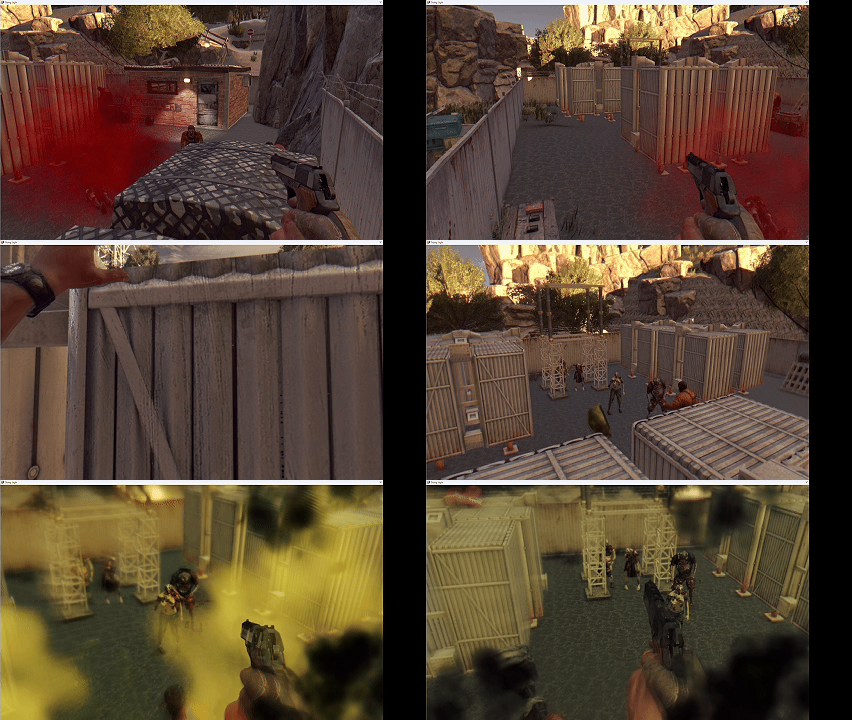
Exterior spaces focus on ranged movement and larger combat arenas, such as the infected zone around the power station.
Close-Quarters Combat
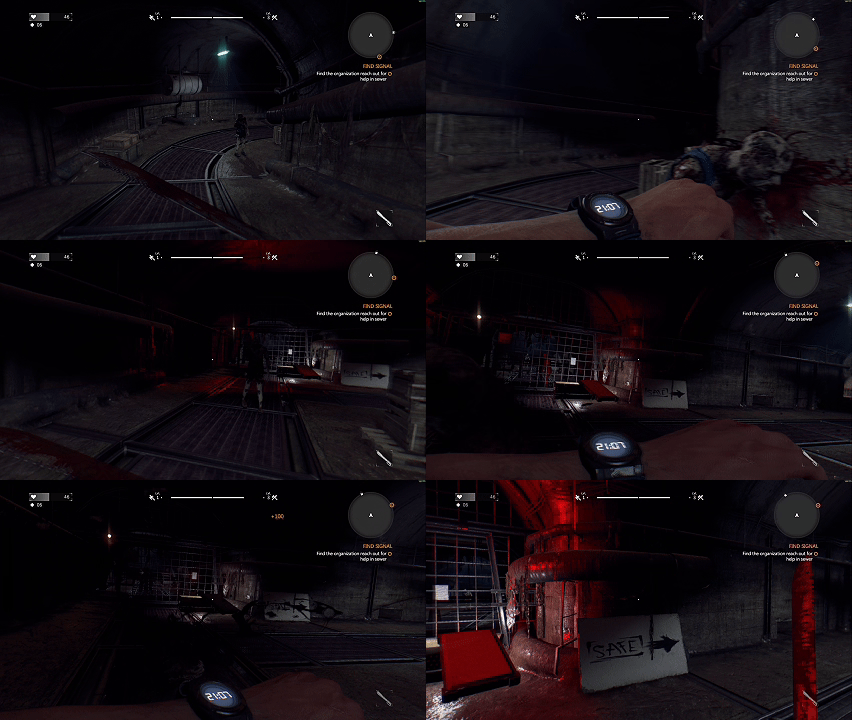
Interior and sewer sections create tighter encounters, forcing the player to fight in narrow spaces with limited escape routes.
Enemy Variety
Common infected create baseline pressure throughout the level, while stronger infected, such as Volatiles, appear as high-threat encounters to increase combat intensity.
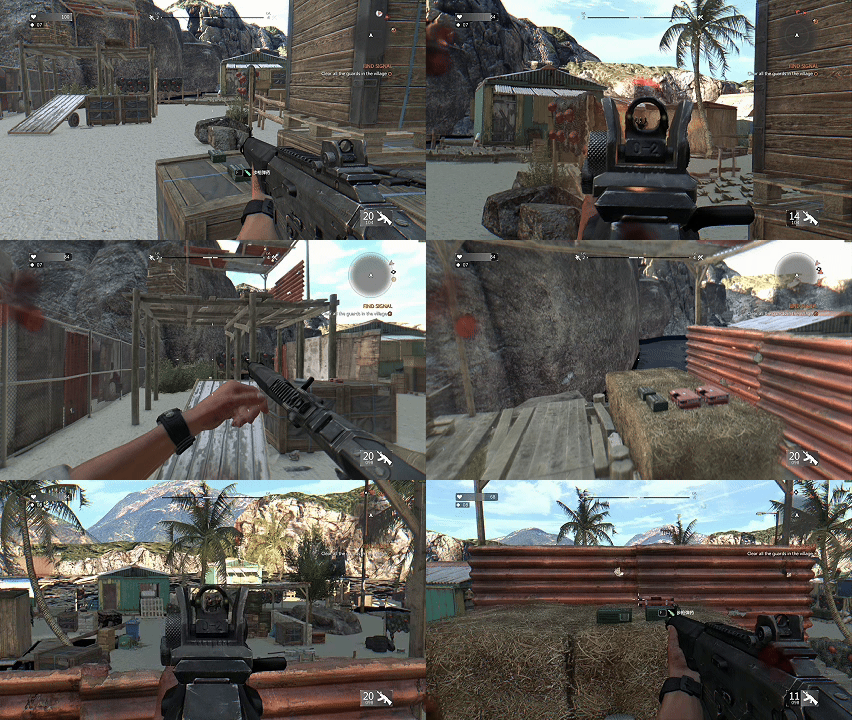
Armed survivors are introduced in the village as long-range human enemies in the final section, shifting the combat dynamic from close-range infected encounters to cover-based ranged combat that requires more advanced combat skills.
Narrative System
Narrative Background
After the outbreak, the city has collapsed into isolated survivor territories. Government support has become unreliable, and limited supplies have turned into the main source of conflict between different factions.
Faction Conflict
The conflict centers on a government supply drop that becomes the focus of competition between different survivor groups.
-
Military Remnants: Defend urban strongholds with limited resources
-
Underground Organization: Hide in the sewers and maintain a communication network
-
Fishing Village Civilians: Control the coastline and protect civilians
-
Infected Horde: Occupy infected zones and expand without purpose
From the player’s first-person perspective, the mission begins as a simple response to a distress signal. However, as the player progresses, the story reveals a deeper conflict between armed factions, desperate civilians, and competing claims over supplies. This shift reframes the mission from a rescue objective into a human survival conflict driven by fear, scarcity, and mistrust.

NPC Dialogue
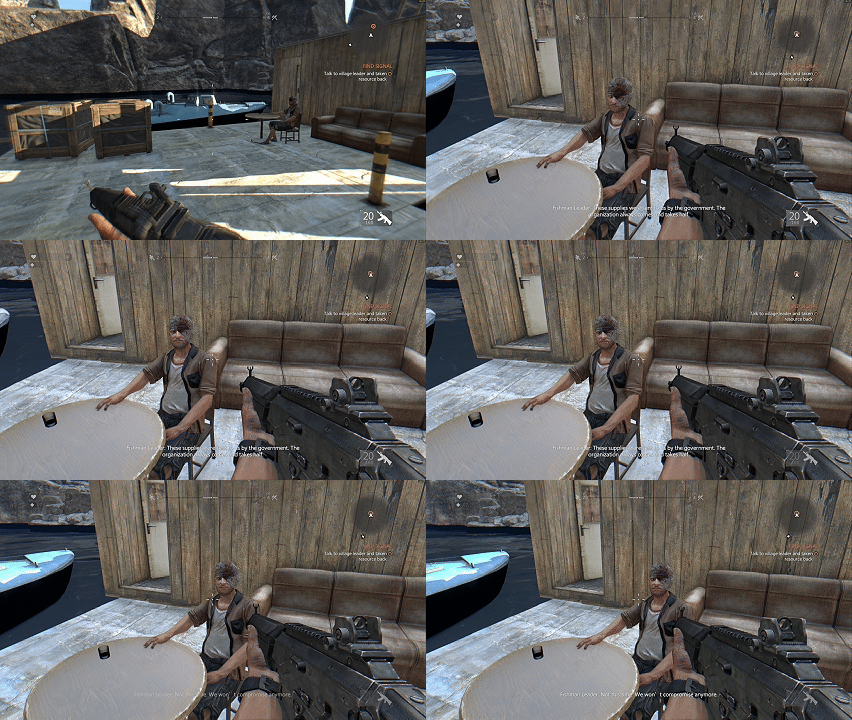
Through dialogue with NPCs, the player receives key objectives, learns about each faction’s situation, and gradually uncovers the larger conflict behind the distress signal.
Environmental Storytelling
Abandoned objects, survivor traces, maps, and notes reveal the presence of previous survivors and the plan of the underground organization.


Combat Design
Enemy types are arranged to support a gradual combat escalation, moving from close-range infected pressure to ranged human combat in the final village section.

Quest Scripting


I used quest scripting to control the mission flow, including objective updates, trigger events, dialogue activation, item collection, enemy spawning, and environmental changes.
These scripts ensure that gameplay beats and narrative moments are triggered at the right time as the player progresses through the level.


